Four decisions that often get blurred into one
Load-in day tends to end with someone handing the organizer a clipboard and asking them to sign. That signature can mean very different things. A useful concert pre opening acceptance checklist starts by separating four decisions. First, a contractor declares their scope finished. Second, the systems are shown to perform against agreed criteria. Third, any inspections or approvals required by the local authority are actually granted. Fourth, the organizer decides to open doors.
These decisions have different owners. A lighting vendor can confirm their rig is complete, but cannot grant a fire approval. An organizer can judge whether the show sounds acceptable, but a walkthrough by a non-specialist cannot certify that rigging or electrical work is safe. Keeping the four apart on paper prevents a single concert production sign off from implying approvals nobody gave.
- Contractor completion: the vendor's written statement about their own scope.
- Performance verification: tests against criteria agreed in advance.
- Official approvals: whatever the venue's jurisdiction requires, issued by that authority.
- Opening decision: the organizer's call, made only after the first three are settled.
Agree acceptance criteria when you book, not at load-in
The cheapest time to define acceptance is during booking, when you can still change scope and price. Write down what success looks like: audience coverage across the listening areas, which inputs must work, how many monitor mixes performers need, which lighting looks must be programmed, what communications between positions are required, and the site layout that has been or will be permitted.
AVIXA publishes a performance verification framework for audiovisual systems. Based on the summary available here, it is a voluntary industry approach to agreeing verification criteria, timing and reporting, not a government permit or universal law [S1]. Its usefulness for an organizer is the habit it encourages: decide in advance what will be checked, when, and how results get reported. If you reference it in a contract, confirm with your integrator exactly which parts you are adopting rather than assuming a single standard test exists.
- Coverage: named audience zones that must receive usable sound.
- Inputs: a written list matching the performers' requirements.
- Monitoring: number of mixes and who operates them.
- Lighting: specific looks or cues, not 'full rig working'.
- Communications: which positions need talkback or radio.
Collect every specialist's handover and assign open defects
Each department, whether audio, lighting, video, staging, power distribution or rigging, should give you its own handover rather than one combined form. In one community thread, presented here as an anecdote rather than an industry norm, an owner looked for a repeatable way to verify integrator completion and record IP addresses, serial numbers, credentials and test results [R2]. That instinct carries over well to touring and temporary production: if a console, network switch or wireless system will need troubleshooting at 9 p.m., you want those details already written down.
A stage handover checklist is only as good as its defect list. Every item still open should carry a named person, not a company name, and a deadline tied to a show milestone such as soundcheck or doors. 'Vendor to fix' is not an owner. 'Audio crew chief, by end of line check' is.
- Network addresses and login credentials stored securely, with access limited to those who need them.
- Serial numbers for key equipment, useful if substitutions happen.
- Test results recorded per department.
- Open defects with owner, deadline and consequence.
Walk public routes after everyone has installed
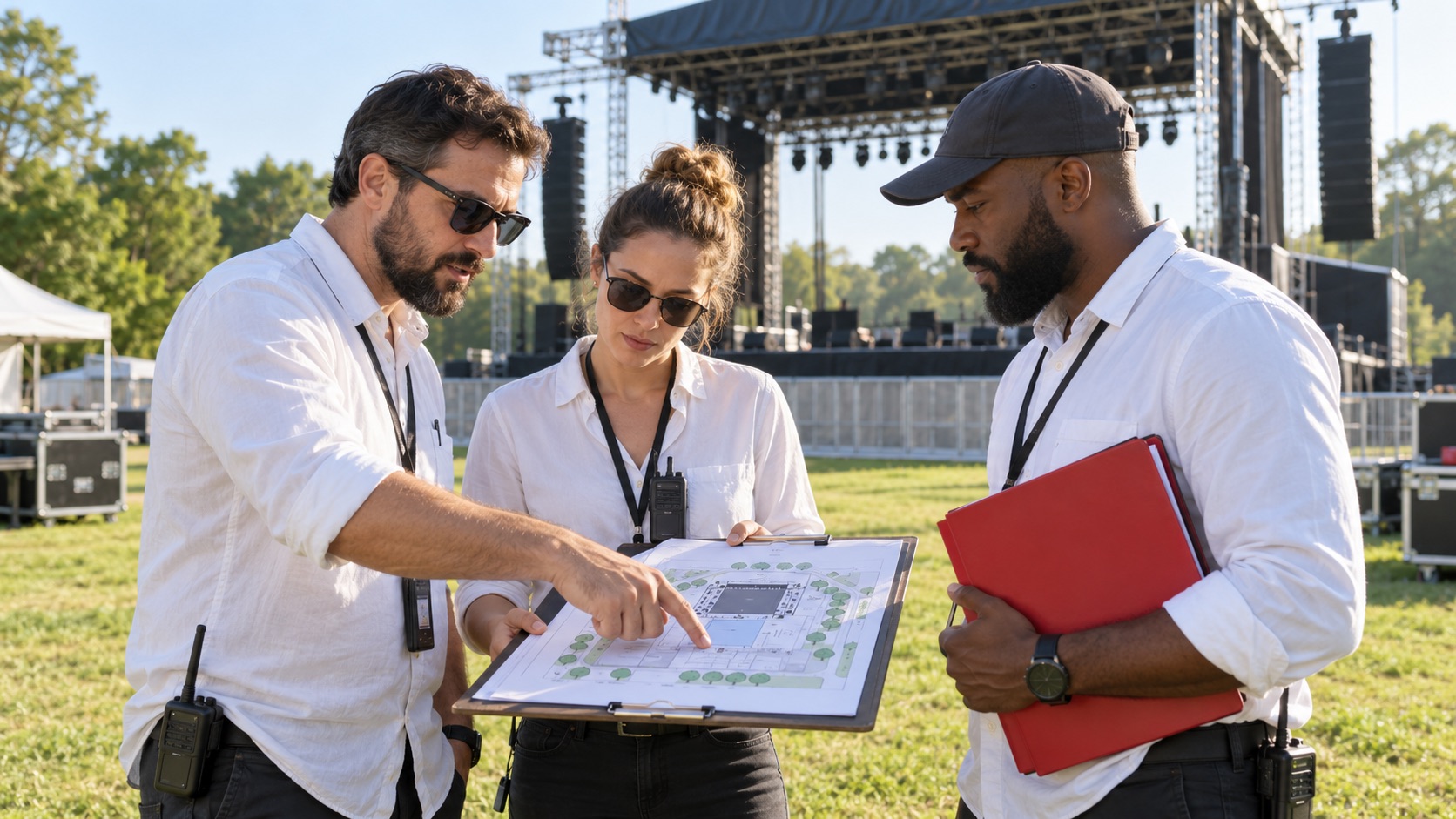
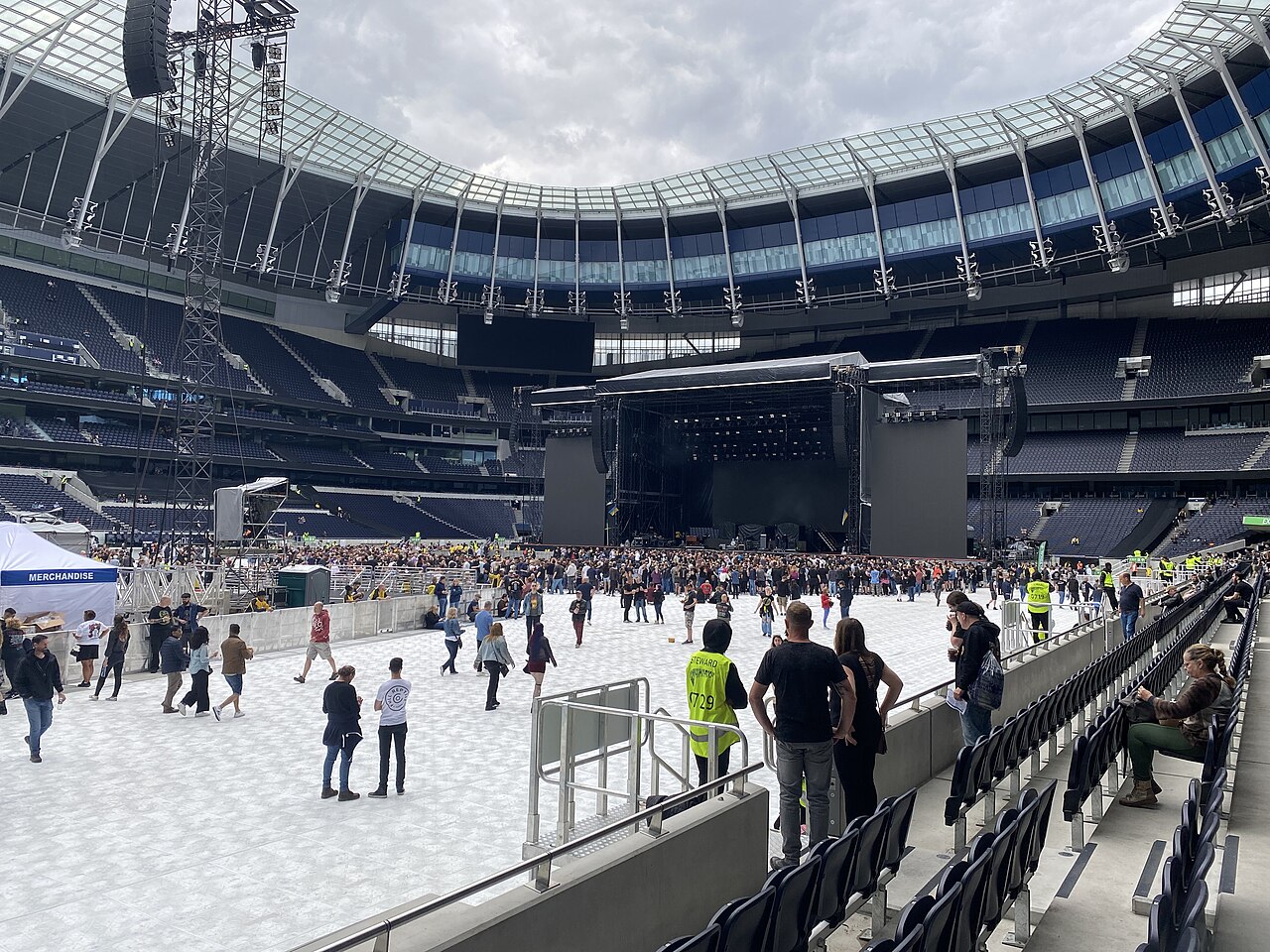
Production departments install in sequence, and the last one in can undo what the first one confirmed. Cable runs, front-of-house positions, video towers, merchandise tables and barricades can shift after an early walkthrough. Walk the public routes with venue staff once all departments say they are finished, looking for obstructions, narrowed paths, trip hazards and anything that differs from the approved layout.
Austin Fire's special events guidance, a city-specific example rather than a federal or national rule, covers site-plan approval, inspections, generator siting, egress, special effects and fire-watch arrangements [S2]. Organizers elsewhere should ask their own fire authority what applies, but the list illustrates why layout changes matter: a relocated generator or a blocked exit route may conflict with what was approved. Flag the change; do not decide alone that it is acceptable.
Run a representative rehearsal and record the results
'Everything powers on' is not a sound lighting acceptance test. A representative rehearsal uses real inputs, real cues and realistic levels. Walk the listening areas during program material, confirm each monitor mix reaches the performer who needs it, run the lighting looks in show order, and test communications between every position that must talk during the show.
Record results against the criteria you agreed at booking. A simple table with requirement, result, tester, time and notes is enough. Where something passes with reservations, write the reservation down. This record is what lets you judge later whether a problem was present at acceptance or appeared during the show.
Classify unresolved issues by consequence
Not every defect deserves the same response. Sort open items into tiers. Safety and compliance items, including anything touching required approvals, rigging, power, egress or special effects, must be resolved or formally cleared by the responsible authority or qualified professional before opening. Show-critical items, such as a dead monitor mix for the headliner, need a fix or an agreed workaround before doors. Cosmetic punch-list items, like untidy cable dress backstage, can be accepted with a separate written agreement on when they will be finished.
The key discipline is that opening stays dependent on required safety approvals no matter how much commercial pressure builds. Aesthetic items should never be bundled with safety items in a way that lets one signature close both.
Record substitutions, restrictions and sign-off time
Equipment changes happen. A speaker model gets swapped, a console arrives in a different configuration, or a truss section is replaced. Write each substitution down, along with who approved it and whether it affects any approval or calculation already provided. Note any restrictions too, such as an area closed to the public or a load limit communicated by the rigging contractor.
Finish with the time of sign-off, the names of those signing, and backup contacts for each department during the show. A dated, specific record means your acceptance signature describes what was actually complete, rather than quietly absorbing work that was still pending.
Hypothetical worked example
Hypothetical scenario: a 1,500-capacity outdoor show. At 4 p.m. audio reports completion, lighting reports two unprogrammed cues, and the power vendor notes a generator was moved six meters from the plan because of ground conditions. The rehearsal shows weak coverage in the rear left zone and one wireless channel dropping out.
The organizer logs the generator move as a compliance item and contacts the authority that approved the site plan before doors. Rear coverage and the wireless dropout become show-critical items assigned to the audio crew chief, due by 6 p.m. The two cues are logged as punch-list items with a written agreement to finish before the second night. Sign-off at 6:40 p.m. lists each item's status, and the cues remain explicitly open.
Red flags, verification and when to escalate
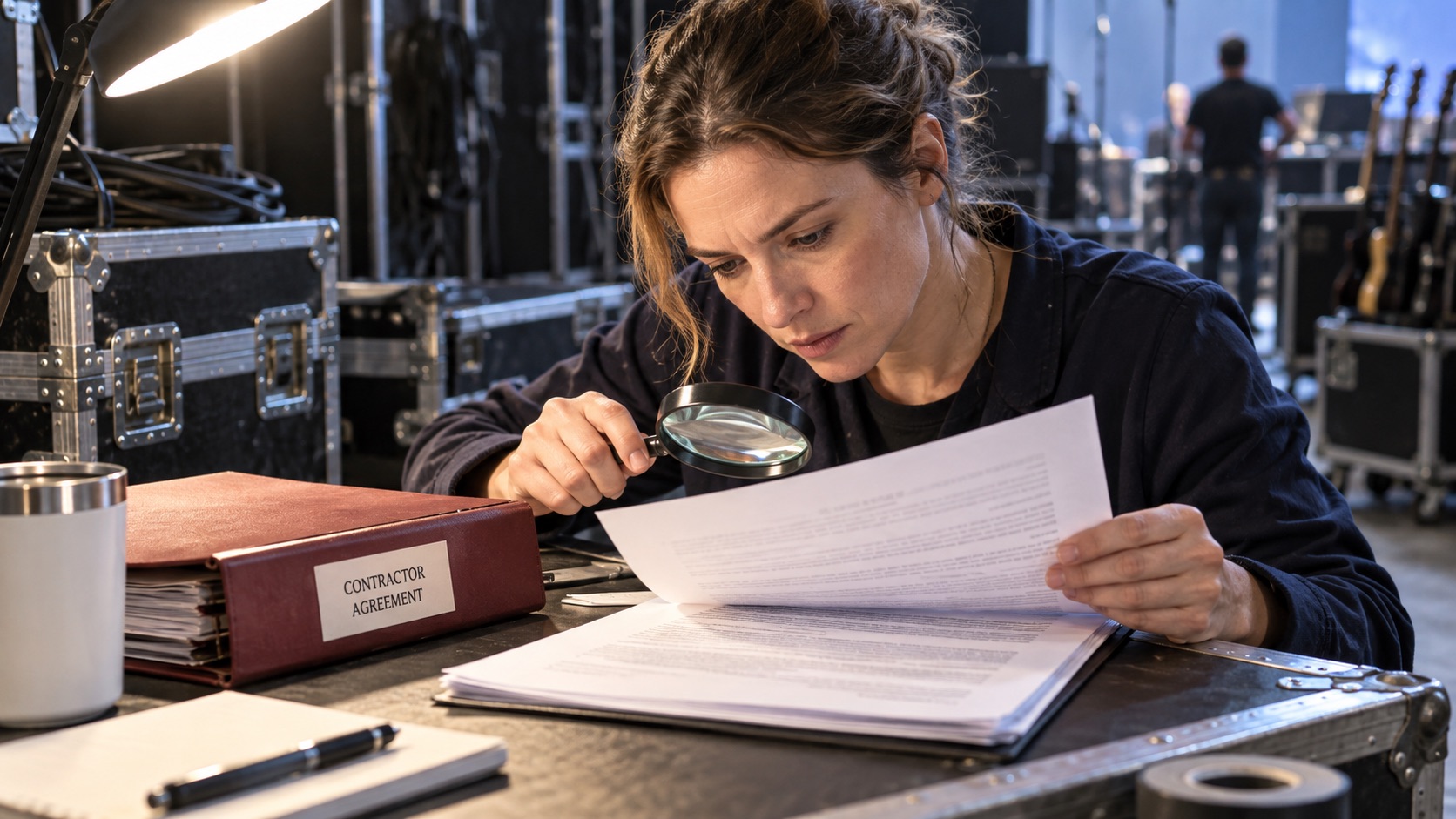
Watch for paperwork that claims more than it can. An informal checklist is not a certificate of occupancy or a permit, and anyone presenting it that way is overstating it. Be wary of rigging assurances based only on someone looking up at the truss. In a community discussion, practitioners drew a line between casual visual observations and documented external inspections, and anecdotes in that thread described inconsistent maintenance [R1]. Those are individual accounts, not proof of how common the problem is, but they justify asking for documentation rather than verbal comfort.
Escalate when a safety-related item is unresolved, when the layout differs from an approved plan, when a contractor will not put completion in writing, or when documents seem inconsistent with what is installed. Escalation means contacting the qualified professional responsible for that scope, the venue's management, or the local fire or building authority. Never ask an unqualified crew member to adjust rigging or electrical work to make a deadline.
- Ask who performed the rigging or electrical inspection and request the written record.
- Check that approval documents name the correct venue, date and configuration.
- Confirm with the authority directly if a document's validity is unclear.
- Treat pressure to sign before testing as a reason to slow down.
Your next steps
- Write acceptance criteria into the booking agreement, covering coverage, inputs, monitoring, lighting looks and communications.
- Confirm with the local fire or building authority which approvals and inspections apply to this venue and event.
- Collect a separate written handover from each production department, including serial numbers and test results.
- Walk all public routes with venue staff after the final department finishes installing.
- Run a representative rehearsal and record results against each agreed criterion.
- Log every open defect with a named owner, a deadline and a consequence tier.
- Hold opening until required safety approvals are granted or formally cleared by the responsible authority.
- Record substitutions, restrictions, backup contacts, signatories and the exact sign-off time.
Questions that come up next
Can the organizer sign off rigging as safe after a walkthrough?
No. A non-specialist walkthrough can spot obvious problems such as blocked routes, but it cannot certify rigging or electrical safety. Ask the contractor who inspected the rigging, request their written record, and confirm whether any external inspection is required. Your signature should cover what you observed and tested, not engineering judgments outside your competence.
Is the AVIXA performance verification framework a legal requirement?
Based on the available summary, it is a voluntary industry framework for agreeing verification criteria, timing and reporting, not a government permit or universal law. Organizers can reference it in contracts if both sides agree. Confirm with your integrator exactly which parts you are adopting, and check separately what your local authority actually requires.
What if cosmetic work is unfinished at doors?
Cosmetic punch-list items can usually be accepted under a separate written agreement stating what remains, who will finish it and by when. Keep them clearly separate from safety and compliance items so one signature does not close both. Note them explicitly on the sign-off record so acceptance does not imply the work was complete.
Sources & further reading
Community discussions identify lived problems; they do not establish technical or legal requirements. Primary references support the specific claims cited above.
- R1 / COMMUNITY DISCUSSIONRigging inspections ↗
- R2 / COMMUNITY DISCUSSIONCheck out forms ↗
- S1 / PRIMARY REFERENCEAVIXA: Audiovisual Systems Performance Verification ↗
- S2 / PRIMARY REFERENCEAustin Fire: Special Events ↗