Why the Original Key Often Fails a Cover Singer
If you have ever wondered how to choose the key for singing a song you love, the question probably started with frustration. The verses feel fine, then the chorus turns into a strain. Or the whole thing sits so low that the lyrics go breathy and disappear under the band. The original recording was pitched for a different singer, and nothing obliges you to copy it.
The usual mistake is judging a key by one moment, typically the highest note. A key can survive a brief peak and still wear you out if the chorus hovers near the top of your voice for half a minute. The better question is where the melody spends its time, and whether your voice can comfortably live there for the whole performance.
Map the Lowest, Highest and Repeatedly Sustained Notes
Before changing anything, make a simple map of the melody. Write down the lowest note, the highest note, and the notes the song holds for a long time or keeps returning to. You can work from sheet music or match pitches on a keyboard or tuner app. If you don't read notation yet, note the lyric where each landmark happens.
This is ear training as much as arranging. Berklee's ear training material connects listening and singing with notation, pitch relationships and rhythm practice [S1], and singing a phrase and then finding it on an instrument is exactly the skill this job needs. Mark timing too: a high note on a quick passing syllable is far easier than the same pitch held across a bar.
- Lowest note and the lyric where it occurs
- Highest note and whether it is brief or held
- Two or three pitches the chorus keeps returning to
- Long held notes at phrase endings, when breath is lowest
Absolute Range Versus Comfortable Tessitura
Your absolute range is every note you can produce, including ones that only appear on a good day. Your comfortable tessitura is the narrower band where you can sing repeatedly with clear tone, steady pitch and understandable words. Reaching a note once in a warm-up is not the same as sustaining it through three choruses.
Compare your melody map with that comfortable band, not your extremes. The repeated and sustained notes should sit inside it; brief peaks can touch its edges. This guide does not try to label your voice type, and you don't need a label to decide. If a passage hurts, stop. Pain is a reason to change the key or seek qualified help, never something to train past.
Try Nearby Keys at Real Performance Intensity
Once you have a likely direction, compare the original key with keys one or two semitones either way. Warm up first, then sing each version with the real phrasing and the energy you would actually sustain through a set, not your loudest possible effort. The point is realism: a key that feels fine when hummed can turn tight once you add normal stage energy, while a lower key that seems safe may lose life in a driving arrangement.
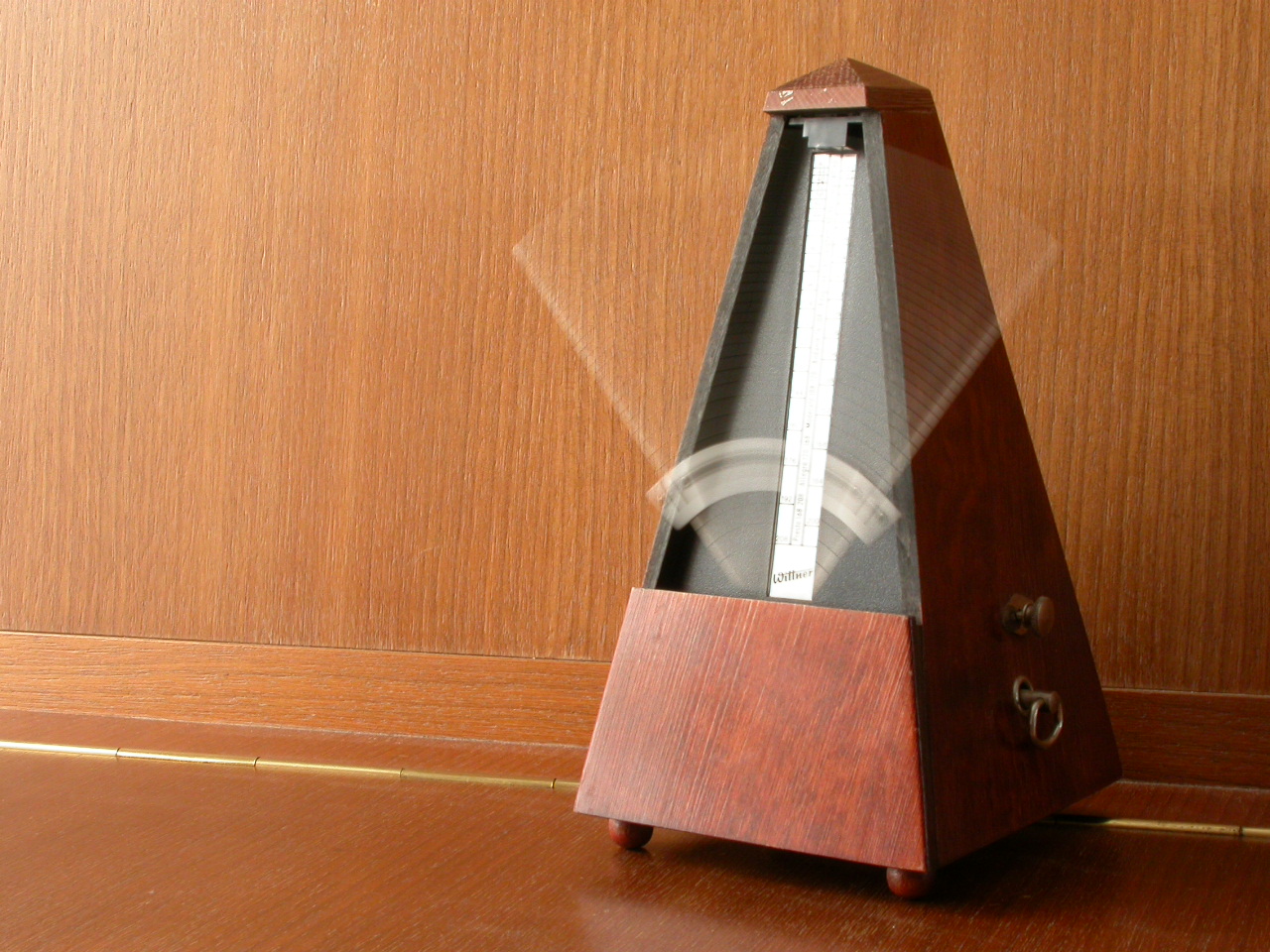
Rest between keys, and stop the moment you feel strain, tightness or pain; you can finish the comparison another day. Change one thing at a time and record each attempt. Keep tempo fixed with a metronome or click so you compare keys rather than speeds. Berklee's ear training resource includes metronome exercises [S1], and that steady-pulse habit transfers well here. Listen back the next day, when you're less attached to how each take felt.
- Test at least three keys: original, one lower, one higher
- Use the same tempo and microphone position each time
- Rate each take for tone, pitch, diction and fatigue afterward
- Spread the tests across sessions if your voice tires
Duet Key Choice: Check Both Singers and the Voicings
Duets complicate things because one change affects everyone. In one Reddit thread, a beginner described wanting to transpose their own duet part while leaving the partner's range mostly unchanged [R1]. That is a single first-person anecdote, not evidence of how common the problem is, but it illustrates the conflict: if one line moves and the other doesn't, the harmony between them changes.
Moving one part alone can create clashing intervals, voice crossings, or a line that no longer fits the chords. Map both singers' landmarks and look for a key where both sets of sustained notes sit comfortably. If none works, consider reassigning phrases, swapping who sings harmony, or having an arranger rewrite a part. Instrumental voicings matter as well: a guitar figure built on open strings may sound thin or play awkwardly in a new key.
Transpose Accompaniment and Charts Consistently
Move every pitched part by the same interval: lead sheets, chord charts, bass lines, keyboard parts and capo positions. Write the new concert key and the interval at the top of each chart, such as down a whole step from A to G. If the band includes transposing instruments like saxophones or trumpets, their written parts sit in a different key from the concert key, so label the concert key clearly and let those players or your arranger confirm their written parts. Also check that the new key doesn't push any part below an instrument's lowest note or into an awkward register.
MIDI backing files need care. MIDI carries performance instructions rather than recorded audio, and a device or software instrument has to generate the sound [S2]. Avoid a blanket transpose of the whole file. In many setups, drum and percussion tracks use note numbers to select which sound plays, so shifting them swaps kit pieces rather than changing key, and some sample libraries use notes outside the playing range as keyswitches for articulations. Transpose only the intended pitched tracks, leave percussion and keyswitch notes alone, and check your software or instrument documentation for how it handles transposition. For recorded audio, pitch-shifting can add artifacts, so listen critically.
- Label every chart with the concert key and interval moved
- Transpose pitched MIDI tracks only; leave drums and keyswitches untouched
- Archive old-key versions so nobody grabs them at the gig
- Audition backing tracks on the rig you will perform with
Hypothetical Worked Example: A Two-Singer Cover
Hypothetical: Dana and Luis are covering a duet. In the original key, Dana's chorus line holds a note for two bars at the top of her comfortable band, and by the third chorus she is tired. Luis's part feels easy. Dana's first idea is to drop only her line a whole step, much like the situation in the Reddit anecdote [R1].
Mapping both parts shows that moving only Dana's line would push it into Luis's harmony and change the intervals. Over two short, warmed-up sessions, they test the whole song down one and two semitones. Down one, Dana is comfortable and Luis is fine. Down two, Luis's lowest verse notes get muddy. They choose down one, relabel the charts, transpose only the pitched backing tracks, and confirm with a full recorded take.
Red Flags and How to Verify
Be skeptical of tools or services promising to find your perfect key automatically. A detector can estimate pitches, but it can't tell how a chorus feels in the last minute of a set. Volunteer-posted chord charts may list the wrong key, present a capo shape as the concert key, or follow a live version instead of the studio recording.
Verify for yourself. Play the chart's opening chord against the recording and confirm they match, then check the melody's landmark notes on a keyboard. If you buy a backing track, confirm its stated key by ear and ask the seller what changes are possible before paying. Treat forum advice as one person's experience to test, not a technical rule.
- Chart key clashes with the recording when played together
- Capo position listed without the concert key
- A tool claims to read your voice type from one sample
- Drum sounds change after transposing a MIDI file
Confirm With a Full Rehearsal Take, and When to Escalate
The final test is a complete take from count-in to last note, at performance tempo, with the real accompaniment, sung at the level you would sustain on stage. Record it and listen for whether the last chorus sounds as healthy as the first, whether the words come through, and whether any duet harmony rubs. Do a second full take on a different day before locking the key.
Bring in help when the problem goes beyond the key. A qualified voice teacher can help if every key feels strained. An arranger can rewrite duet parts when no shared key works. Persistent hoarseness, pain or voice changes call for a licensed medical professional, such as a laryngologist, not a chart adjustment.
Your next steps
- Write down the melody's lowest, highest and most repeated or sustained notes
- Compare those notes with your comfortable tessitura, not your extreme range
- Warm up, then record the original and nearby keys at sustainable performance intensity
- Rest between keys and stop at any strain or pain
- Keep tempo fixed with a metronome while comparing keys
- Map both duet parts before moving either one
- Transpose only pitched parts, preserving drum mappings and keyswitch notes
- Verify chart keys against the recording by ear
- Confirm the key with two complete recorded takes on separate days
Questions that come up next
Is the highest note the best way to judge a key?
Not by itself. A brief high note can be manageable while a chorus that keeps circling near-high pitches wears you out. Judge a key by where the melody spends most of its time and by its sustained notes, then check that the brief peaks and lowest notes stay clear and controlled at a sustainable performance level.
Can I transpose only my part in a duet?
You can try, but moving one line changes the intervals between singers and against the chords, which can cause clashes or crossings. Map both parts first and test whole-song key changes. If no shared key works, consider reassigning phrases or having an arranger rewrite a part so the harmony still fits.
Can I just transpose a whole MIDI backing file?
Be careful. MIDI carries performance instructions, and sound comes from the instrument or software playing it. In many setups drum tracks use note numbers to pick sounds, so a blanket shift changes kit pieces, and keyswitch notes may trigger wrong articulations. Transpose pitched tracks only, then audition the result on your performance rig.
Sources & further reading
Community discussions identify lived problems; they do not establish technical or legal requirements. Primary references support the specific claims cited above.
- R1 / COMMUNITY DISCUSSIONkey changes ↗
- S1 / PRIMARY REFERENCEBerklee: Ear Training Exercises ↗
- S2 / PRIMARY REFERENCEMIDI Association: About MIDI, Overview ↗