Gear Buying
9 MIN READ · PRACTICAL GUIDE
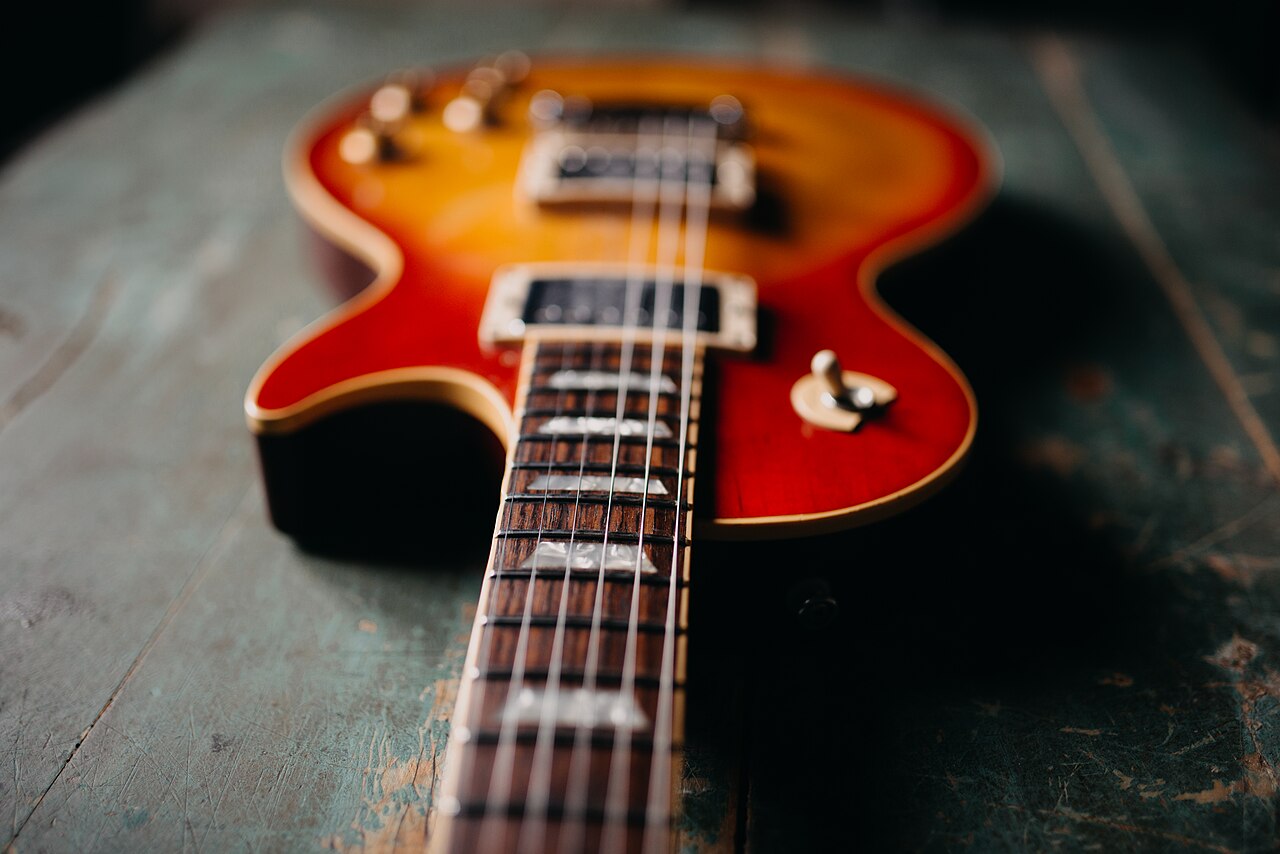
This practical guide shows you how to inspect a used electric guitar before paying. It covers separating cosmetic wear from real defects, requesting serial and repair details, testing electronics through an amp, checking frets and dead notes, getting repair prices in writing, reading condition labels, documenting the sale and knowing when to call a technician.
Read the guide ↗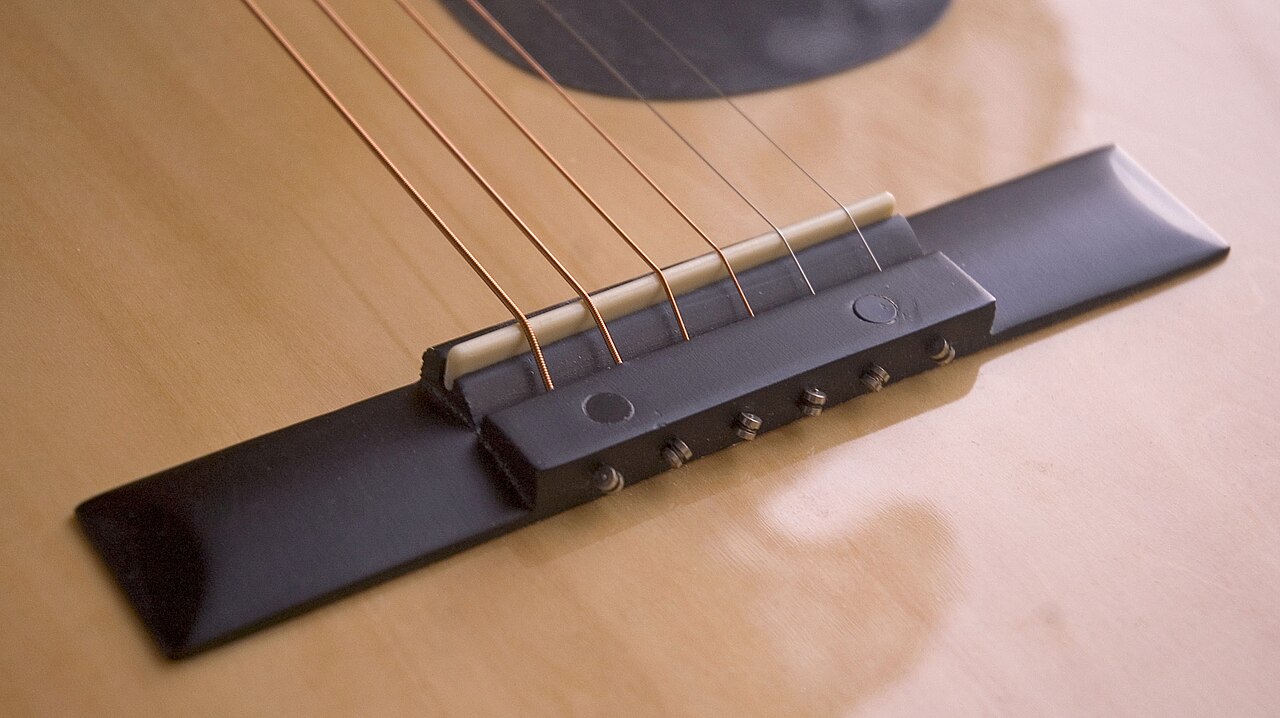
Gear Buying
9 MIN READ · PRACTICAL GUIDE
A lifted bridge can turn a cheap used acoustic into a costly repair. This guide covers inspecting the bridge visually, separating neck relief from top distortion, reading action and saddle height together, questioning the seller, involving a luthier, and comparing total cost with a guitar that already plays well.
Read the guide ↗
Gear Buying
9 MIN READ · PRACTICAL GUIDE
Color, weight and a single photo rarely settle whether a used SM58 is genuine. This guide starts with provenance and invoices, records symptoms without opening the mic, and suggests asking official support what help exists. It also covers preserving dispute evidence and choosing genuine budget options over suspicious bargains.
Read the guide ↗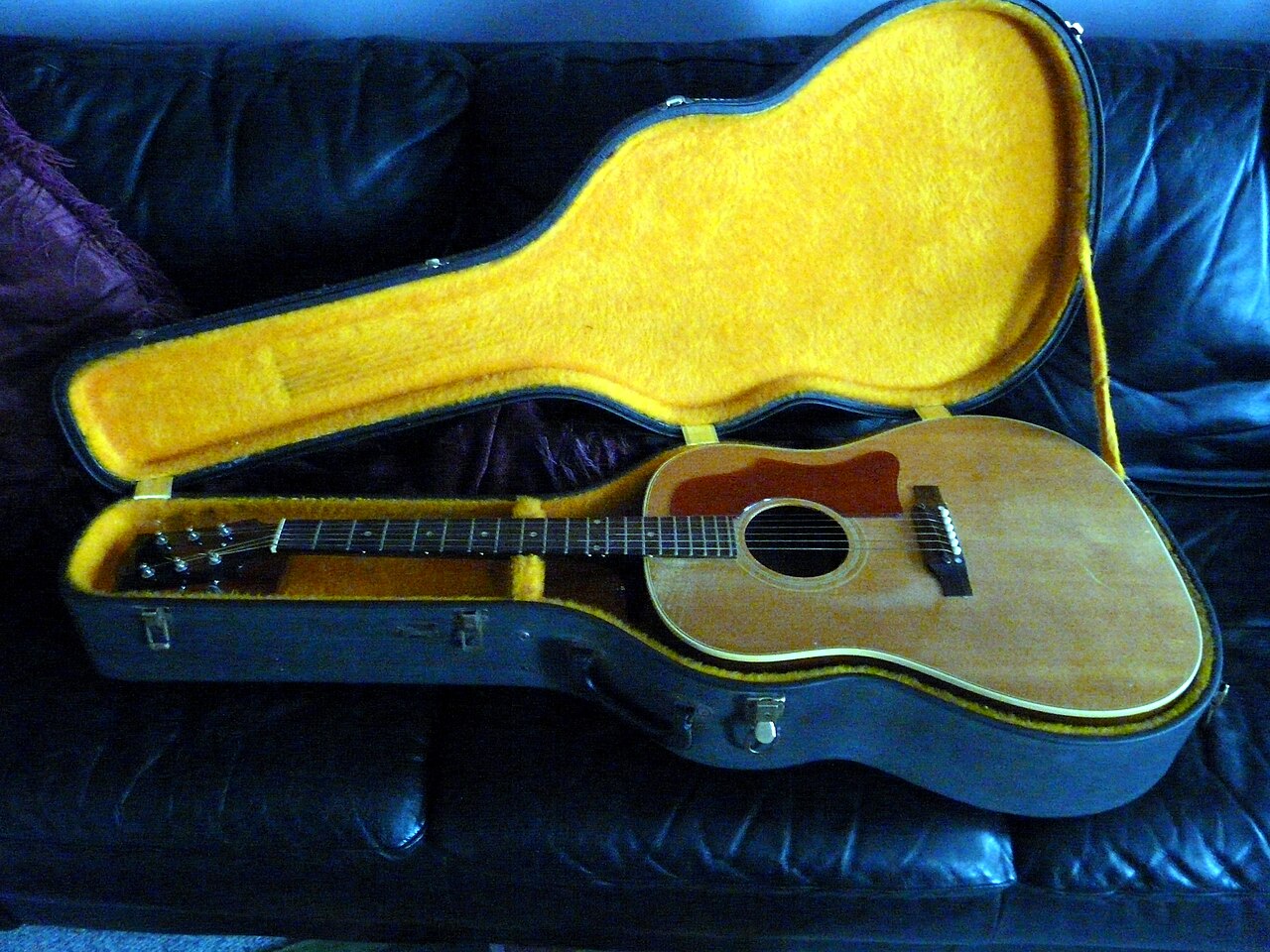
Gear Buying
9 MIN READ · PRACTICAL GUIDE
A practical guide for Reverb buyers and sellers facing damaged or disputed guitar returns. It covers condition records, Reverb's 7-day reporting window, platform protection versus shop policies, shipping-claim routing, evidence preservation, matched photos, damaged returns, refund scams, a hypothetical settlement example and when to escalate.
Read the guide ↗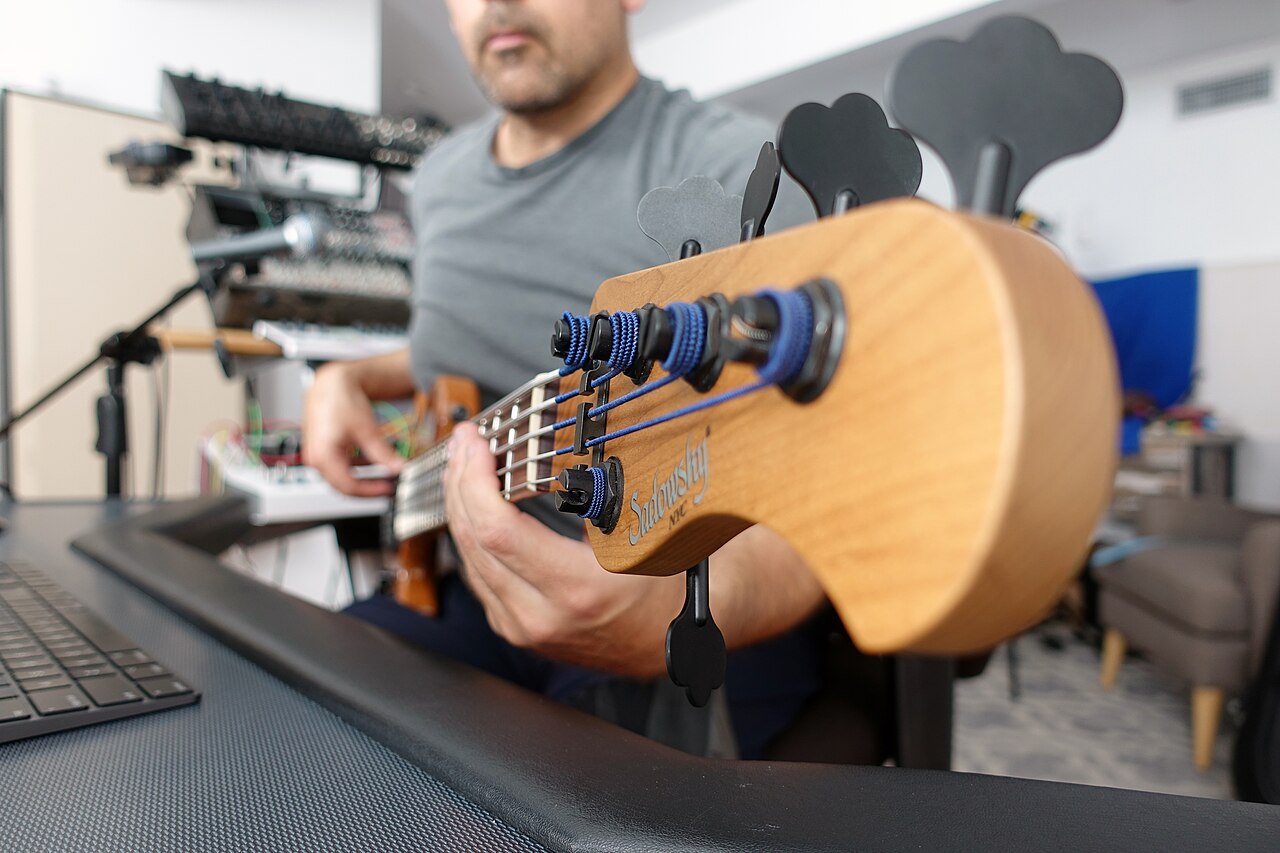
Gear Buying
9 MIN READ · PRACTICAL GUIDE
Scale length changes reach, fret spacing and string feel, but it does not measure seriousness or skill. This guide helps beginners compare short-scale and long-scale basses at a shop, at rehearsal and over a structured trial. It also explains how to verify used listings before spending money.
Read the guide ↗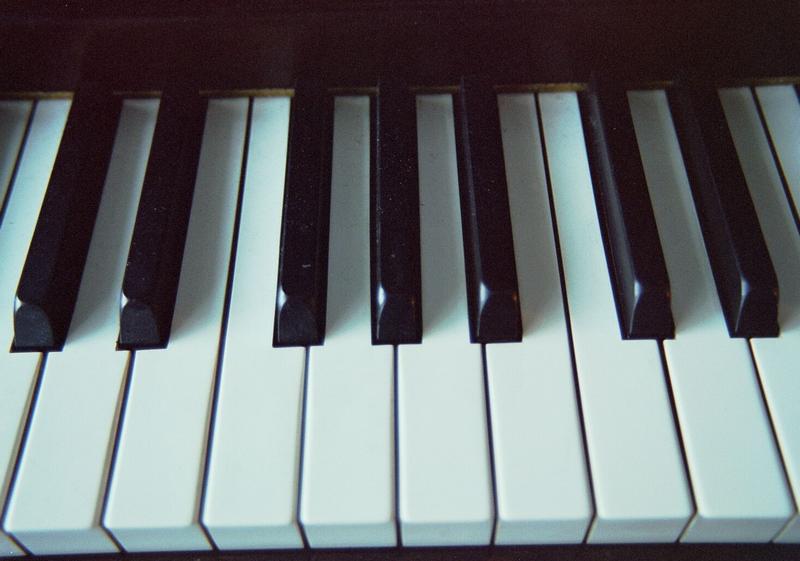
Gear Buying
9 MIN READ · PRACTICAL GUIDE
Whether a beginner needs weighted keys depends on the goal. Piano technique and lessons favor hammer action, while synth, production, or casual chord playing can work with lighter keys. This guide covers how to test instruments, budget the full setup, spot misleading listings, and involve a teacher before upgrading.
Read the guide ↗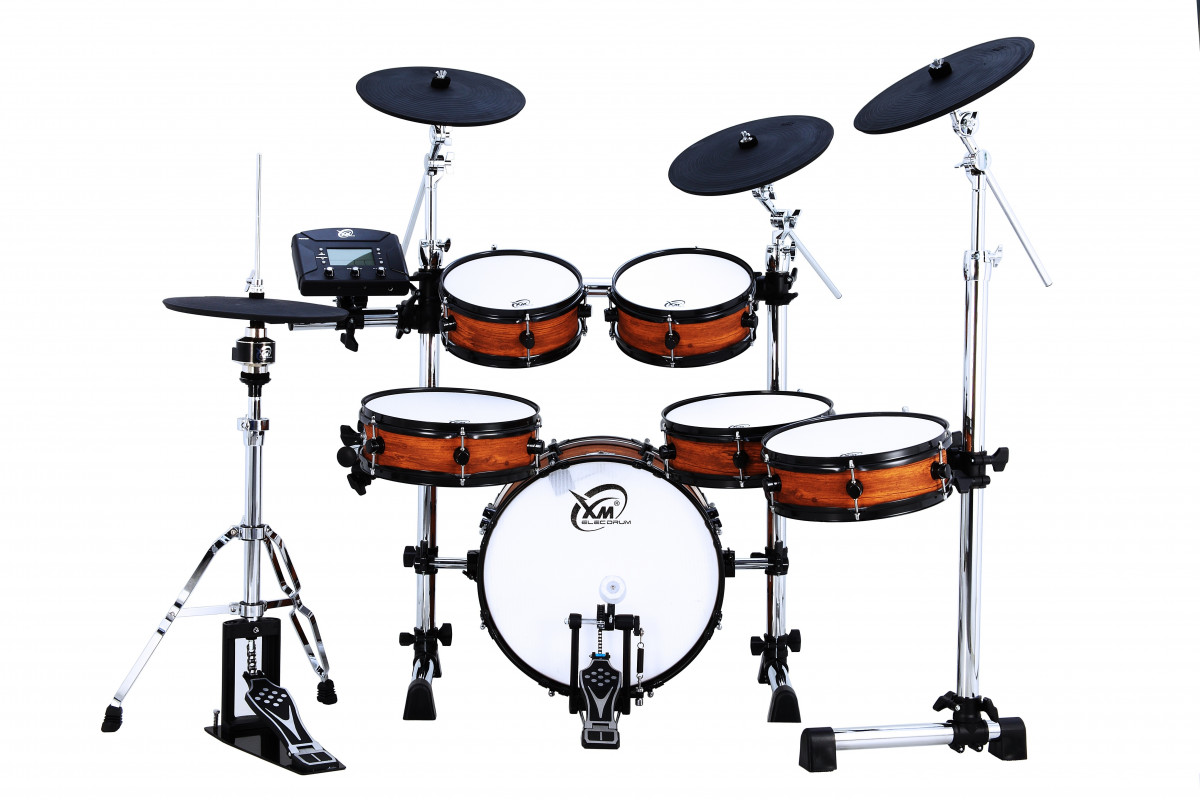
Gear Buying
9 MIN READ · PRACTICAL GUIDE
Electronic kits can send drum sounds to headphones, but stick strikes and pedal impacts still reach neighbors through the air and the floor. This guide covers how to compare electronic and acoustic options, check building rules, measure space, test from a neighbor's side, and set return criteria before buying.
Read the guide ↗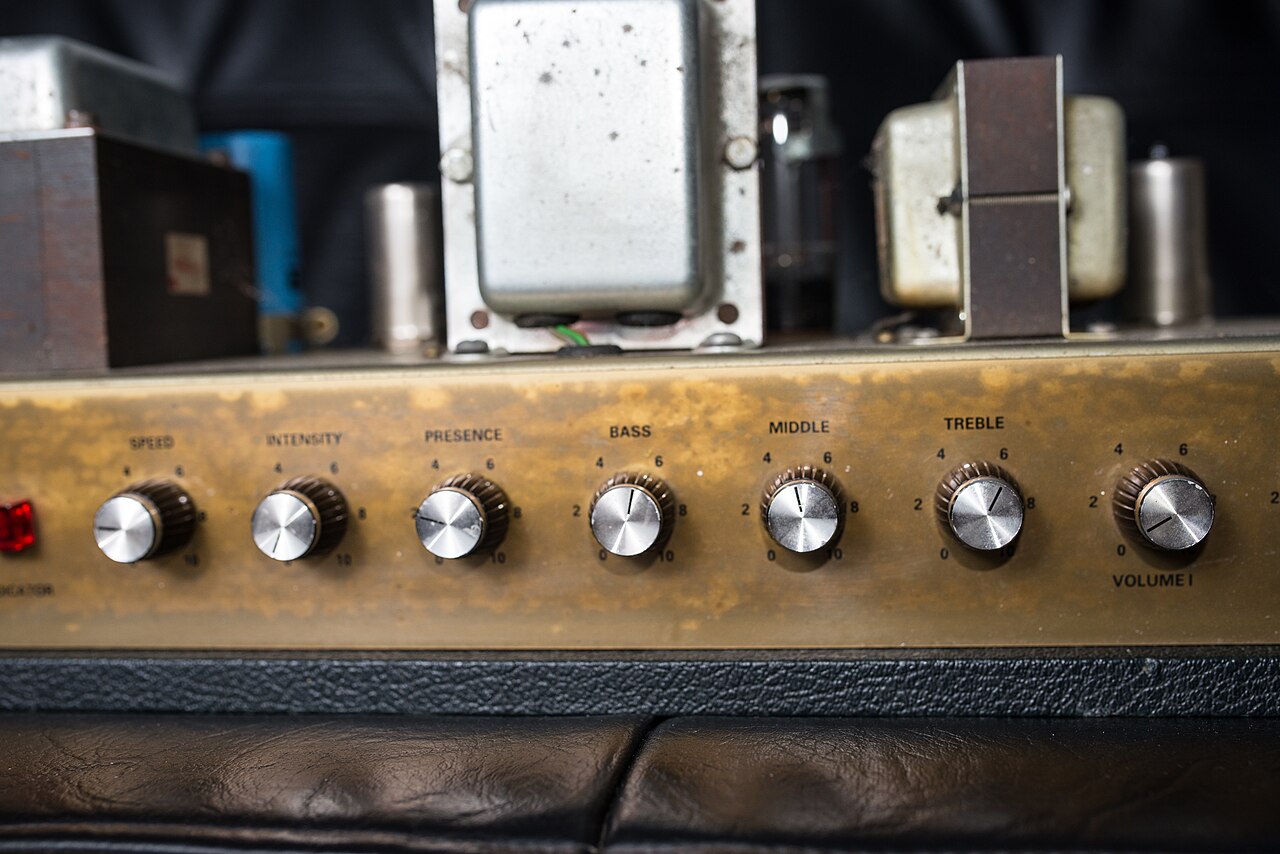
Gear Buying
10 MIN READ · PRACTICAL GUIDE
A practical guide to choosing a bedroom guitar amp when a low-watt tube amp still overwhelms the room. It separates preamp gain from power-stage saturation, compares master volume, power scaling and attenuators, and explains how to audition, check load compatibility, and weigh headphone or modeling alternatives.
Read the guide ↗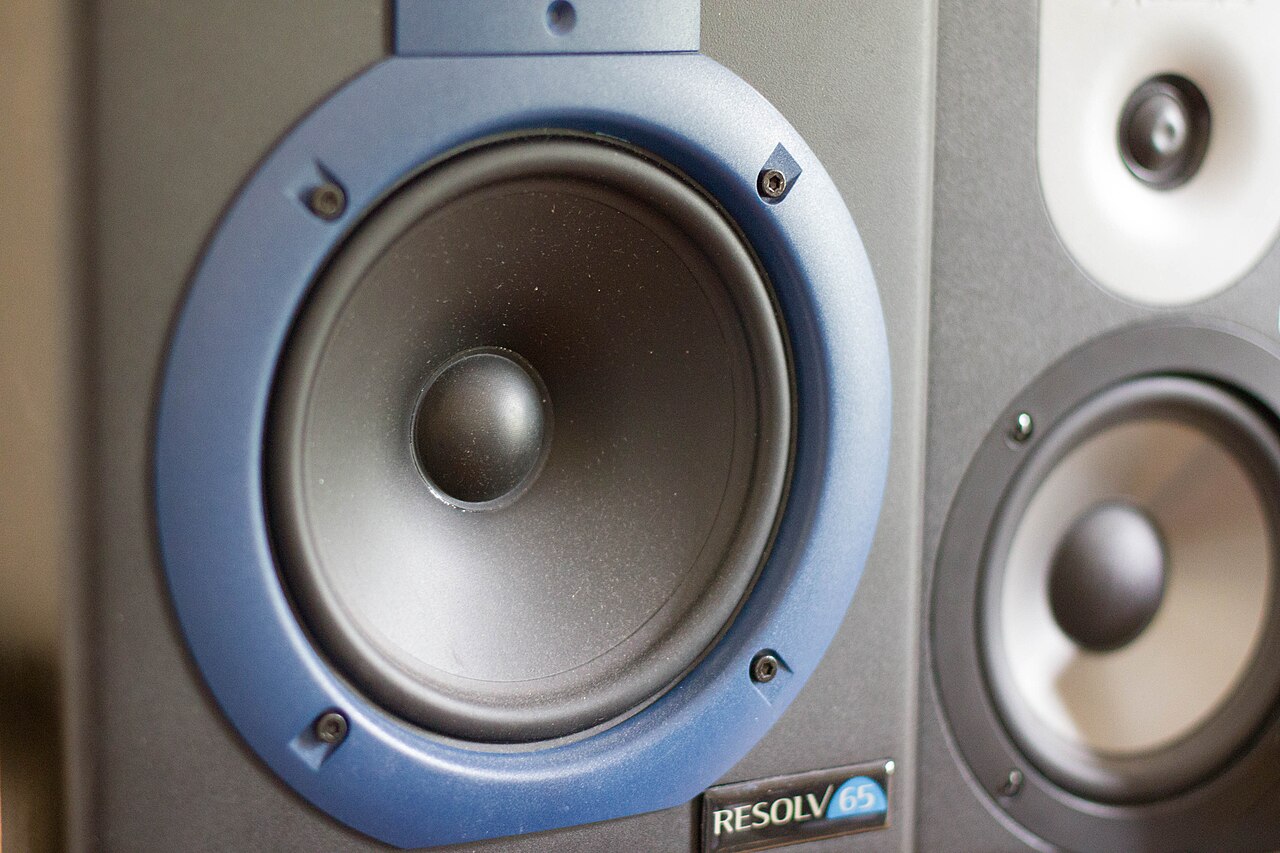
Gear Buying
10 MIN READ · PRACTICAL GUIDE
Monitors in a bare room can still help if you know what they need to reveal. This guide covers symmetry and placement, simple room tests, portable treatment for renters, how monitors and headphones split the work, and how to audition a returnable pair at matched acoustic loudness.
Read the guide ↗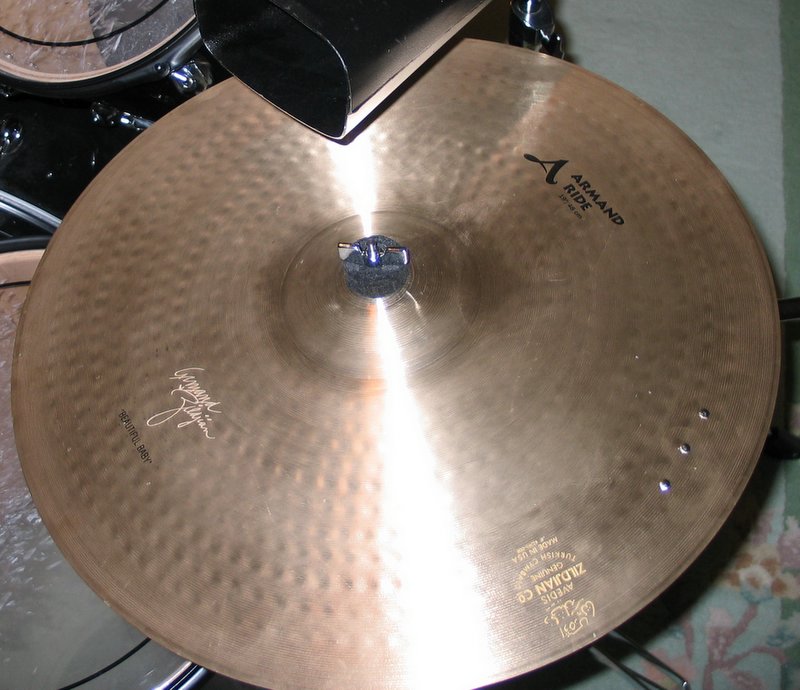
Gear Buying
9 MIN READ · PRACTICAL GUIDE
This guide shows you how to check secondhand cymbals for hairline cracks and keyholing before you pay. It explains how to tell disclosed damage from undisclosed damage and how to preserve evidence when a cymbal arrives cracked. It also explains why invented warranty stories are dishonest and likely to fail.
Read the guide ↗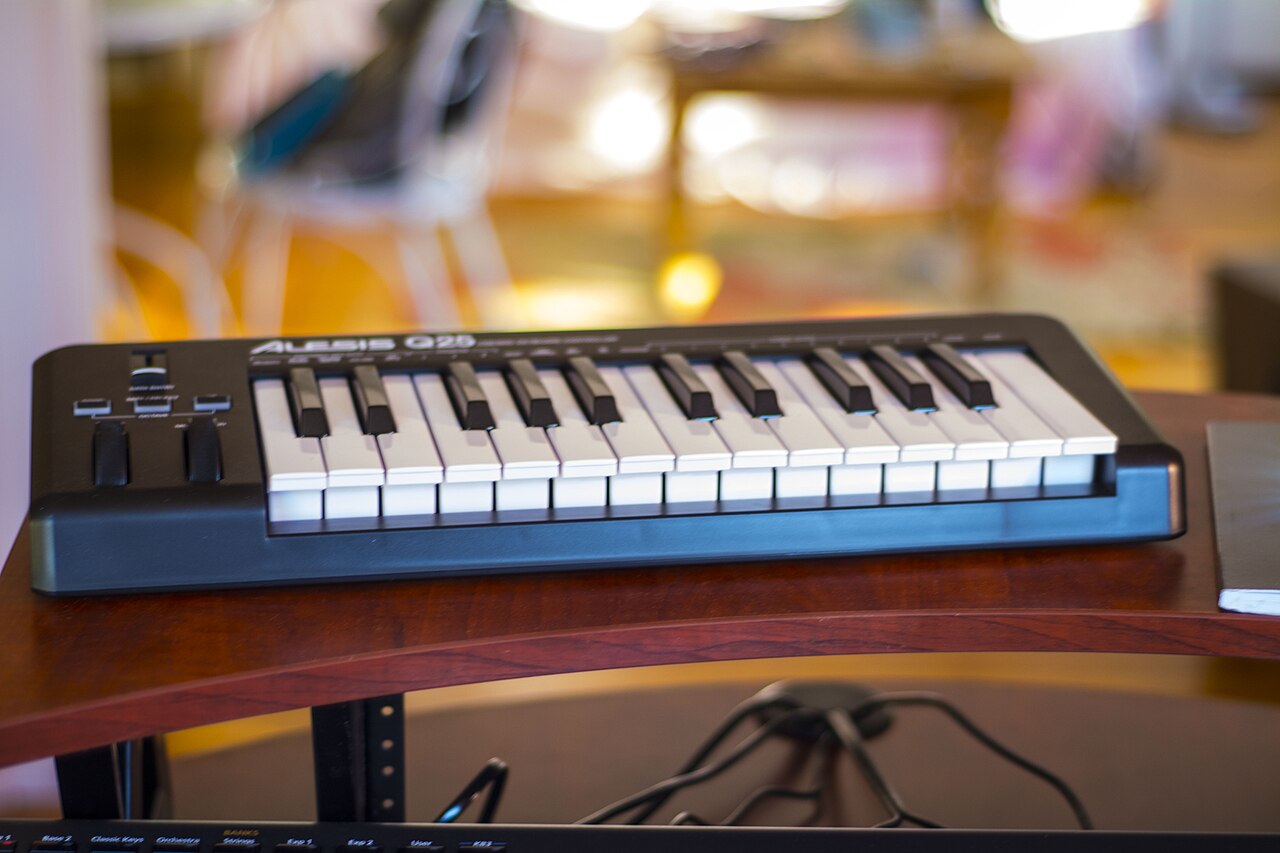
Gear Buying
8 MIN READ · PRACTICAL GUIDE
A MIDI controller sends performance data and makes no sound by itself. A standalone keyboard plays as soon as it is switched on. This guide covers the signal chain, key size and weighting, software checks, hidden costs, red flags and a hypothetical example to help your first purchase fit your goal.
Read the guide ↗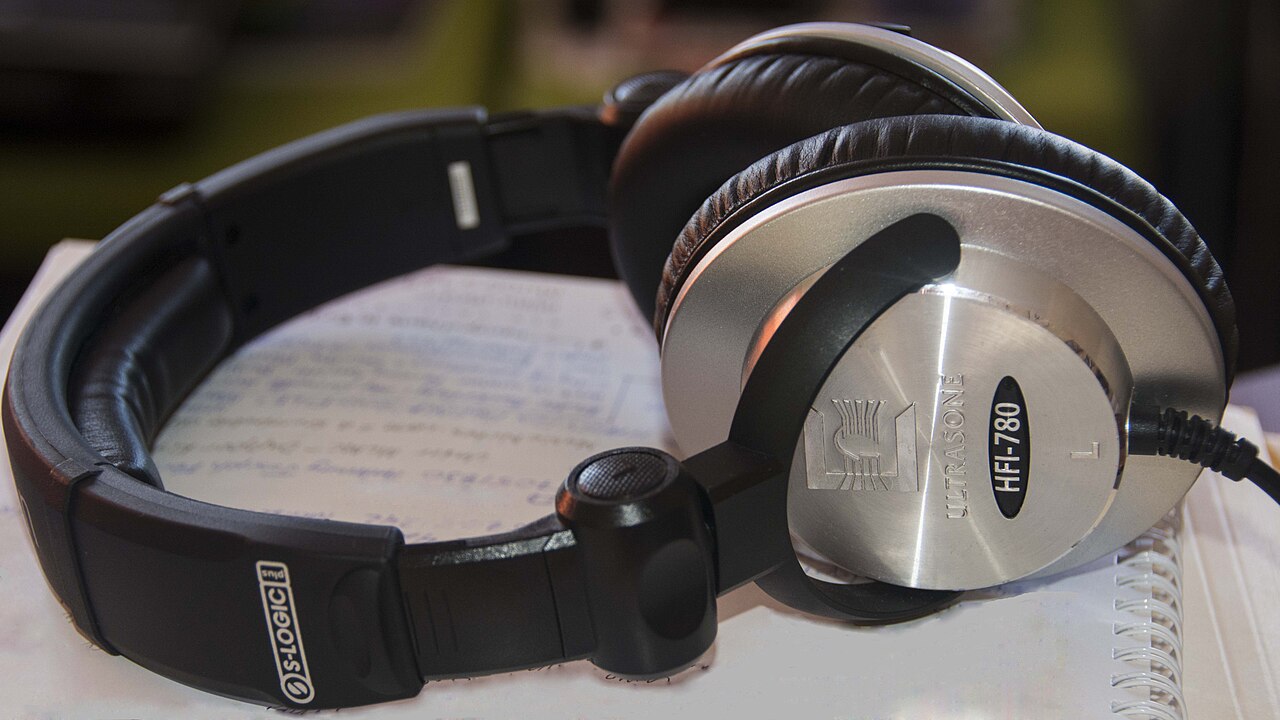
Gear Buying
10 MIN READ · PRACTICAL GUIDE
Many studio headphones come in more than one impedance. The right version depends on your interface's headphone output. This guide explains how to read sensitivity and impedance together, find output at your load, test safely, and decide whether an external amplifier actually fixes anything.
Read the guide ↗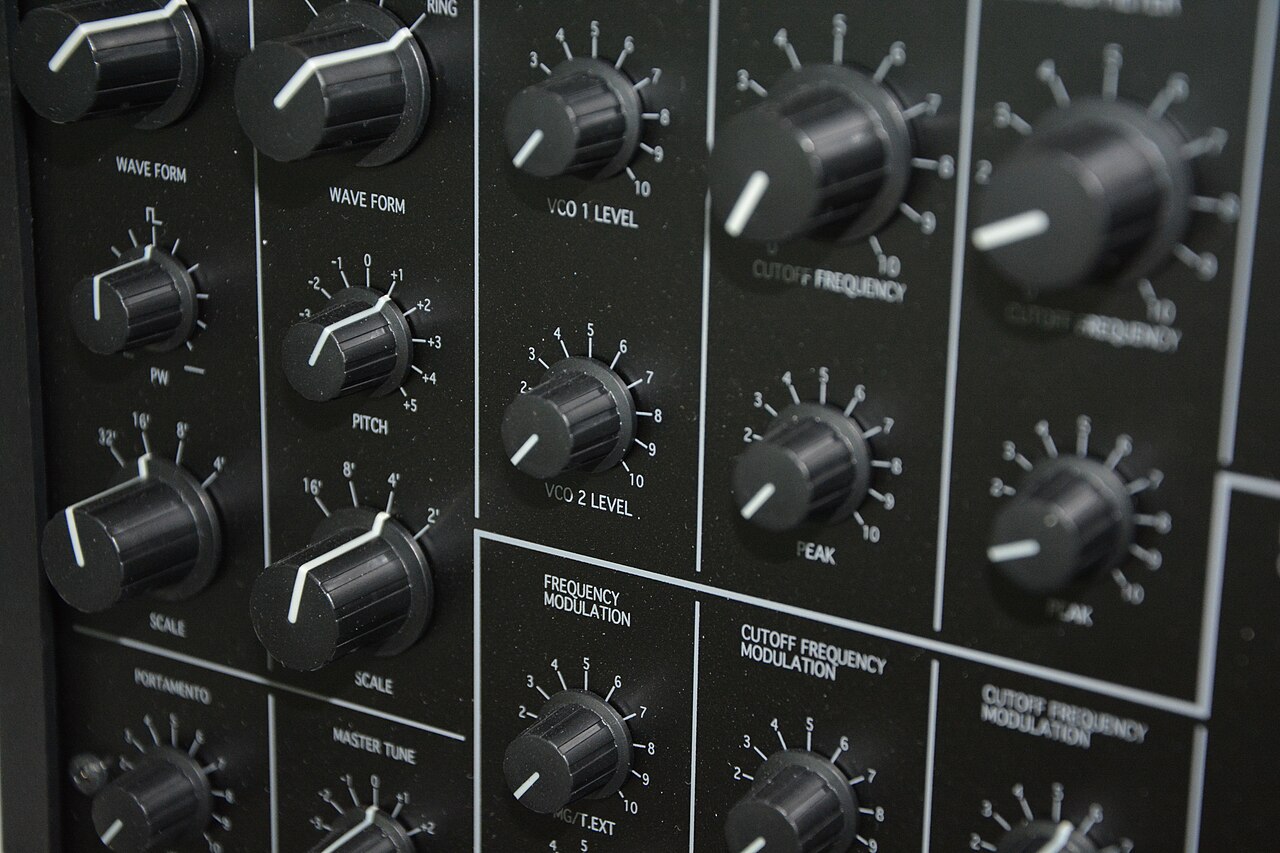
Gear Buying
9 MIN READ · PRACTICAL GUIDE
A practical buying used synthesizer checklist for inspecting a secondhand synth before paying. It covers confirming the model and power supply, testing keys, encoders, ports and patch memory, weighing support and repair costs, spotting misleading listings, and knowing when to use marketplace protection or a qualified technician.
Read the guide ↗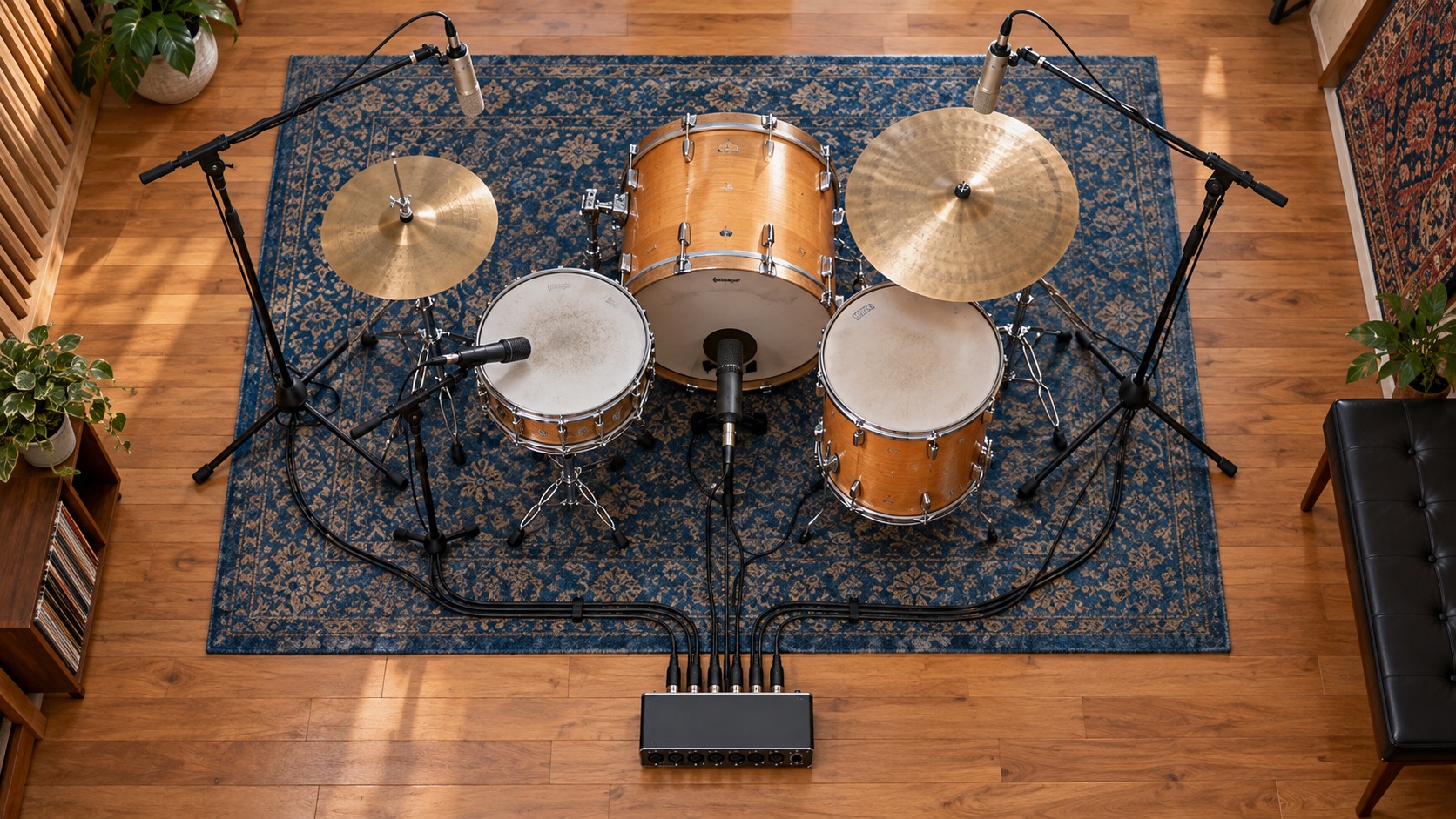
Gear Buying
9 MIN READ · PRACTICAL GUIDE
Choosing audio interface inputs for recording drums starts with a written session plan. This guide covers counting simultaneous mics, telling preamps apart from line and digital inputs, two-mic versus multi-mic setups, ADAT expansion limits, hidden costs, a worked example, and how to verify listings.
Read the guide ↗
Gear Buying
9 MIN READ · PRACTICAL GUIDE
An untreated bedroom affects every microphone. This guide explains why source distance, pickup pattern and level-matched comparisons matter more than the dynamic or condenser label. It also covers how gain needs actually work, phantom power checks, misleading demos, and where to spend first in your recording chain.
Read the guide ↗